
evolutionary astrology and mental health

Why Rest Feels Unsafe: The Psychology of Productivity and Self-Worth

Let’s pause and take a minute to reflect. When you sit down to rest, have you ever found yourself sitting down and feeling anxious, restless, or even feeling guilty?

Everything has been crossed off the “to do” list but still your mind continues racing.

Maybe you finally have a free afternoon but can't seem to enjoy it because you're already thinking about what needs to be done next.

I hear these same stentiments everyday and even have to manage these feelings within myself!

Many people struggling with burnout, chronic stress, anxiety, and nervous system exhaustion discover that rest doesn't feel restorative—it feels uncomfortable. From both psychological and astrological perspectives, this discomfort often points to deeper questions surrounding self-worth, identity, and our relationship with a culture of productivity.

When Productivity Becomes Identity

In our modern culture, busyness is often worn as a badge of honor and pride. We praise people for working harder, accomplishing more, and constantly striving toward the next goal. Ever heard the saying I’ll sleep when I die? That very idealogy is what perpetuates within all of us the feelings that we have to always be busy to be of value.

In the mental health world, we refer to this as conditional self-worth—the belief that we are valuable only when we are achieving, helping others, or meeting expectations. When self-worth becomes tied to performance, rest can feel threatening because it challenges the very foundation upon which we have built our identity. This way of thinking is particularly common among first born, caregivers, high achievers, entrepreneurs, and individuals who grew up feeling responsible for the emotional needs of others.

Why Rest Can Feel Unsafe

From a nervous system perspective, chronic stress changes the way the body functions. When we experience prolonged periods of uncertainty, trauma, caregiving responsibilities, financial pressure, or emotional overwhelm, the nervous system can become stuck in survival mode.
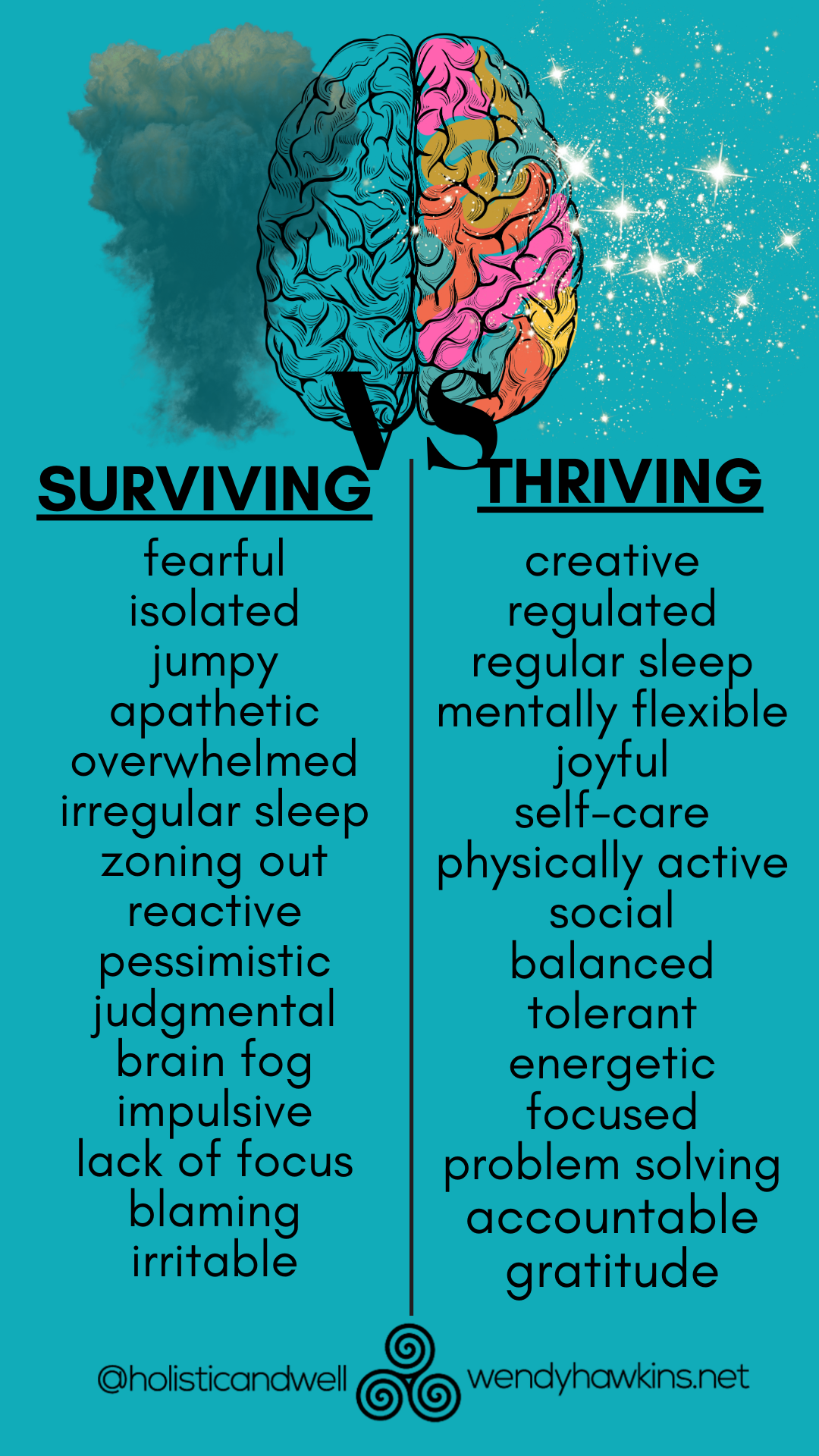
In this state, the body learns that being alert equals being safe so slowing down and resting may trigger feelings of discomfort because the nervous system interprets stillness as unfamiliar and unsafe. The absence of activity can create anxiety, restlessness, or guilt—not because rest is dangerous, but because the body has forgotten how to recognize safety without constant action.

My Real-Life Example

I still remember planning my very first vacation as an adult after becoming an empty nester—a girls' trip to beautiful, tropical Puerto Rico. Instead of looking forward to slowing down, I found myself meticulously planning every hour of every day. I wanted to make sure we experienced everything and made the most of every moment.

Looking back, I realize that even my approach to vacation reflected something much deeper: an unconscious belief that every moment needed to be productive. There was very little room to simply be. To rest.

Before the trip, one of my friends jokingly asked, "Wendy, can we have one day to just lounge by the pool and do nothing?" I remember feeling slightly annoyed by the suggestion. My immediate thought was, Why would anyone want to sit around and do nothing? We were on vacation! Surely we should be exploring, sightseeing, and making every minute count.

It wasn't until years later, after doing my own healing work, that I reflected on that conversation with new eyes. I realized I had unconsciously tied my sense of worth to accomplishment. Even in a setting designed for relaxation, I believed I had to earn the experience by staying busy. That mindset hadn't appeared overnight. It had been quietly shaped by messages I absorbed early in life—that being productive meant being responsible, valuable, and successful. Slowing down felt unfamiliar, and unfamiliar didn't feel safe.

Psychologically, this is a common pattern among people experiencing burnout or chronic stress. When our nervous system has spent years operating in survival mode, stillness can feel uncomfortable because the brain has learned to associate constant activity with safety and control. Healing has taught me that rest isn't something we earn after everything is finished. Rest is part of the process. It's how our minds, bodies, and nervous systems recover, integrate, and create space for growth.

Today, I still enjoy planning adventures—but I also intentionally leave room for quiet moments, unplanned conversations, and afternoons with nowhere to be. Ironically, those are often the moments I remember most.

The Astrology of Self-Worth and Burnout

From an energetic perspective, themes of self-worth, achievement, and identity are particularly relevant during periods involving Saturn, Pluto, and Capricorn energy.

Saturn often asks us to examine the structures we have built our lives upon. Pluto challenges identities that no longer serve our growth. Together, they can reveal where our value has become entangled with productivity, status, or external validation.

Current collective themes surrounding Saturn and Neptune in Aries are also encouraging many people to reevaluate who they are beyond their accomplishments. Questions such as "Who am I if I'm not constantly producing?" or "What happens if I stop proving myself?" are becoming increasingly common.

These transits invite us to redefine success in ways that honor both achievement and well-being.

Signs Your Self-Worth May Be Tied to Productivity

  • Feeling guilty when resting

  • Difficulty relaxing without distraction

  • Constantly thinking about your next task

  • Believing you must earn downtime

  • Feeling anxious when your schedule is open

  • Equating accomplishment with personal value

If these patterns sound familiar, they are not character flaws. They may simply indicate that your nervous system and self-concept have adapted to a life centered around performance.

Self-Reflection Exercise

Take a few moments to journal on the following questions:

  • What messages did I receive about productivity growing up?

  • When do I feel most worthy?

  • What emotions arise when I allow myself to rest?

  • What would change if I believed rest was productive in its own way?

Notice your answers without judgment. Awareness is often the first step toward transformation.

Reclaiming Rest as a Healing Practice

Healing does not require abandoning ambition or goals. Instead, it asks us to expand our definition of worth. Rest is not laziness. Rest is nervous system recovery. Rest is emotional regulation. Rest is a biological need that supports creativity, resilience, decision-making, and long-term mental health.

The goal is not to do less. The goal is to recognize that your value exists independently of what you accomplish. In a culture that often equates productivity with worthiness, choosing to rest may be one of the most radical acts of rebellion! And perhaps the deepest healing comes when we realize that we were always worthy—even when we weren't doing anything at all.

If you’re ready to explore your wellness, I would feel honored to be a part of your journey. Contact me so we can get have a 30-minute consultation to talk more about your vision to heal.

wh

Financial Stress: Using Astrology to manage anxiety and overall mental health wellness

Financial Stress: Using Astrology to manage anxiety and overall mental health wellness

In today’s uncertain world, financial stress is one of the leading causes of mental health struggles — including anxiety, depression, insomnia, and chronic worry. Whether it’s rising housing costs, student loans, job insecurity, or medical expenses, money-related anxiety can feel overwhelming and unshakable.

But what if part of your path to healing lies in understanding your unique financial personality — not just through psychology, but also through astrology? Your astrological birth chart contains deep insights about how you relate to money, self-worth, and security, helping you uncover patterns that fuel your stress and offering clues on how to break free.

Let’s explore together how astrology can complement mental health practices to reduce financial anxiety while also offering both emotional and cosmic tools for managing money stress.

The Psychological Weight of Financial Stress

Before we dive in, it’s important to acknowledge the psychological impact of financial stress. According to the American Psychological Association, money is consistently ranked as one of the top sources of stress in adults, contributing to:

  • Anxiety and racing thoughts

  • Irritability or anger

  • Feelings of helplessness or shame

  • Sleep disturbances or insomnia

  • Physical symptoms like headaches, stomach upset, or high blood pressure

If left unaddressed, chronic financial stress can worsen mental health, deplete your immune system, affect relationships, and even lead to burnout or depression.

This is why integrating mental health support (like therapy, mindfulness, and stress management techniques) with energetic and astrological self-awareness can create a powerful holistic approach to healing.

Astrological Clues in Your Chart: 2nd and 8th House Stressors

In astrology, the 2nd house governs your personal income, resources, and sense of self-worth. When mental health symptoms are triggered by financial stress, it’s often tied to deep fears about security, survival, or feeling “enough” — all core 2nd house themes.

The 8th house, on the other hand, rules shared finances, debt, inheritance, taxes, and emotional entanglements around money. Stress can build here when you feel trapped by obligations, joint accounts, or power dynamics in financial partnerships.

Understanding which planets occupy or transit these houses can help you identify which money issues are most likely to trigger mental health symptoms — and what strengths you can lean on to regulate stress.

Venus, Jupiter, and Saturn:
The Planetary Money-Mind Connection

  • Venus shows how you seek comfort and pleasure, including how you spend, indulge, or deny yourself. Anxiety can spike if you overspend for emotional comfort or, conversely, restrict yourself so much that life feels joyless.

  • Jupiter brings expansion and optimism — but mental stress can emerge if you overpromise, take on too much, or leap into financial risks without grounding. Knowing where Jupiter operates in your chart helps balance big dreams with realistic steps.

  • Saturn teaches discipline, but too much Saturn energy can feel like harsh self-criticism, scarcity thinking, or chronic worry about the future. Working consciously with Saturn invites you to set realistic financial goals without letting fear paralyze you.

Mental Health Practices Aligned with Your Financial Astrology

Now let’s look at how you can combine mental health strategies with astrology for more effective money stress relief:

Mindful Spending (Venus)
Notice when spending becomes an emotional escape (retail therapy) or when guilt over spending creates unnecessary anxiety. Practice mindful purchasing by pausing, breathing, and asking: Does this align with my deeper values? What am I feeling as I make this purchase? What is my intention with this purchase?

Grounding Big Dreams (Jupiter)
If you feel overwhelmed by financial goals, break them into small, manageable steps. Use cognitive-behavioral techniques like SMART goals to stay realistic and avoid all-or-nothing thinking. Be willing for the fruition of your big dreams to look different from your original vision. Allow things to flow and align with ease rather than “making things work”.

Managing Scarcity Thinking (Saturn)
Challenge negative thought patterns around money (e.g., “I’ll never have enough” or “I’m terrible with money”) by practicing self-compassion and evidence-based reframing. Saturn rewards persistence — celebrate even small financial wins to build confidence. Practice daily gratitude to attract abundance into your daily life. Keep a journal or say your gratitude out loud. Find abundance in every faucet of your life!

Nervous System Regulation (General Stress Relief)
When money anxiety flares up, use nervous system calming techniques such as deep breathing, progressive muscle relaxation, or mindfulness meditation to bring your body back to balance. EFT (tapping) and other bilateral simulation activities like walking and running will help move big stagnant emotions like fear. These techniques also help to integrate thoughts and emotions together to help ease overall anxiety.

Astrological Timing Awareness
If you’re under major financial transits (like Saturn, Pluto, or Uranus crossing your 2nd or 8th houses), remind yourself: these are temporary cycles of change. Understanding astrology and integrating with other proven mental health techniques can reduce panic and help you focus on long-term solutions.

Mental Health and Astrology Resources

Conclusion: A Holistic Path to Financial Healing

Financial anxiety is more than just a money problem — it’s a mental health issue that deserves compassionate, holistic care. Astrology offers a unique tool for self-discovery, helping you see the cosmic patterns behind your financial habits, fears, and strengths.

By integrating mental health practices like therapy, mindfulness, and nervous system regulation with astrological insights, you create a more balanced, empowering approach to money stress. Remember: you are not alone in this journey, and both psychological tools and cosmic wisdom are available to guide you.

If you’re curious to explore your own money-mind connection, start by examining your 2nd and 8th houses, as well as your Venus, Jupiter, and Saturn placements. These planetary allies are here to help you transform financial anxiety into confidence and peace. Remember, you’re in control of your mental wellness journey. Contact me for a 30-minute phone consultation to talk more about how I can support your journey!

wh

Unlocking the Cosmic Puzzle of Adult ADHD: A Holistic Soul-Centered Perspective

 Unlocking the Cosmic Puzzle of Adult ADHD: A Holistic Soul-Centered Perspective

Discover a soulful, holistic perspective on adult ADHD by integrating evolutionary astrology, psychotherapy, and spiritual life lessons for deeper self-understanding and healing.